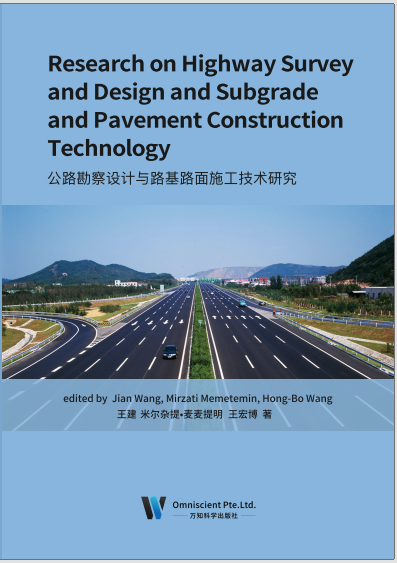
By improving the level of highway engineering survey and design, it can not only ensure the rationality of highway route, but also effectively reduce the occurrence of road traffic accidents. Due to the increasing scale of highway engineering construction in China, highway engineering survey and design work has attracted the attention of relevant departments. For Highway Survey and design personnel, the following principles should be observed:
First, the design principle of respecting nature. In the process of Highway Survey and design, the survey and design personnel should seriously abide by the design principle of respecting nature and put the protection of ecological and natural environment in the first place. Because the highway engineering construction has a great impact on the natural ecological environment, which increases the difficulty of ecological environment restoration. Therefore, the highway survey and design personnel should abide by the principle of respecting the natural design, effectively investigate the topography of the area, and adopt a variety of design methods for design.
Second, the principle of safety design. In the process of highway survey and design, the survey and design personnel should seriously abide by the principles of safety design, comprehensively consider various potential safety hazards, and take good measures to improve the safety of highway vehicles. By abiding by the principle of safety design, it can ensure that the highway survey and design scheme is more perfect, and effectively reduce the probability of highway traffic accidents.
In addition, through the reasonable analysis of the existing problems and Countermeasures in highway survey and design, such as scientific design of highway route, comprehensive consideration of geological conditions along the highway, improvement of geological survey technology and so on, it can ensure the orderly progress of highway survey and design, and improve the implementation effect of highway survey and design scheme. Highway survey and design has a certain degree of difficulty, designers should continue to learn advanced knowledge, improve their professional skills, so as to promote the rapid development of China’s highway industry.
前 言
通过提升公路工程勘察设计水平,不仅能够保证公路路线的合理性,还能够有效减少道路交通安全事故的发生。由于我国公路工程建设规模的不断加大,公路工程勘察设计工作已经引起有关部门的重视,对于公路勘察设计人员来讲,要遵守以下原则:
第一,尊重自然的设计原则。在公路勘察设计环节,勘察设计人员要认真遵守尊重自然的设计原则,将生态自然环境保护放在首位。因为公路工程建设施工对自然生态环境影响特别大,增加了生态环境的修复难度,因此,公路勘察设计人员要遵守尊重自然设计原则,对该地区的地形地貌进行有效勘察,采用多种设计方法进行设计。
第二,安全设计原则。在公路勘察设计过程之中,勘察设计人员要认真遵守安全性设计原则,综合考虑各项安全隐患,并采取良好措施,提升公路车辆的安全性。通过遵守安全性设计原则,能够保证公路勘察设计方案更为完善,有效降低公路交通安全事故的发生概率。
此外,通过对公路勘察设计中存在问题解决对策进行合理分析,例如科学设计公路路线、综合考虑公路沿线地质条件、完善地质勘察技术等等,能够保证公路勘察设计工作有序进行,提高公路勘察设计方案的实施效果。公路勘察设计具有一定难度,设计人员还要不断学习先进知识,提高自身的专业技能水平,进而推动我国公路事业的快速发展。
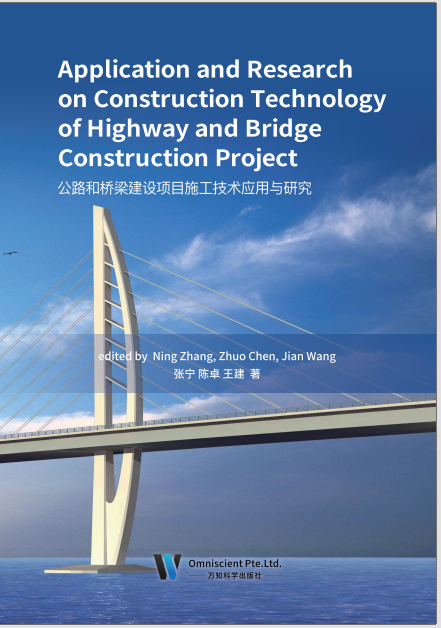
With the vigorous development and progress of the construction industry, the construction of high-quality bridges has become an important technical field of modern construction management and the inevitable trend of development. The construction standard of bridges has been raised from the strength and durability to meet the use requirements to the height of creating high-quality projects.
With the continuous development of market economy, the demand for expressways in China is increasing year by year. At the same time, the increasing transportation tasks and increasing vehicle demand put forward new requirements for the construction of expressway. For the bridge facilities of expressway, as an important part of expressway, its engineering quality will directly affect the safety of people's lives and property, which requires that corresponding measures should be taken to strengthen the bridge construction technology of expressway, so as to ensure the bridge quality of expressway; in order to ensure the quality of highway bridge engineering, it is necessary to strengthen the management and organization of construction technology, and make overall consideration and reasonable arrangement. Combined with the characteristics of construction technology, different construction conditions and other factors, the construction technology scheme is continuously optimized and improved, so as to ensure the efficient connection between each construction technology and modern construction technology, ensure the completion of the project with quality and quantity on schedule, and realize the maximum benefit of the project.
前 言
随着建筑事业的大力发展与进步,建设高质量的桥梁已成为现代建筑事业管理的一种重要技术领域和发展的必然趋势,桥梁的建设标准已从强度和耐久性满足使用要求提高到创精品工程的高度。
市场经济的不断发展,我国对于高速公路的需求逐年增加。同时,日益增加的交通运载任务与不断增强的车辆需求,对高速公路的建设提出了新的要求。对于高速公路的桥梁设施而言,作为高速公路的一项重要组成部分,其工程质量好坏将直接关系到人们的生命财产安全,这就要求应采取相应的措施来强化高速公路的桥梁施工技术,以切实保障高速公路的桥梁质量;为了确保高速公路桥梁工程的质量,必须强化施工技术的管理与组织工作,做到统筹兼顾、合理安排,并结合施工工艺特点施工条件等因素的不同,对施工技术方案进行不断优化与完善,确保各个施工工艺与现代化施工技术的高效衔接,确保工程按期保质保量完成,实现工程项目效益最大化。
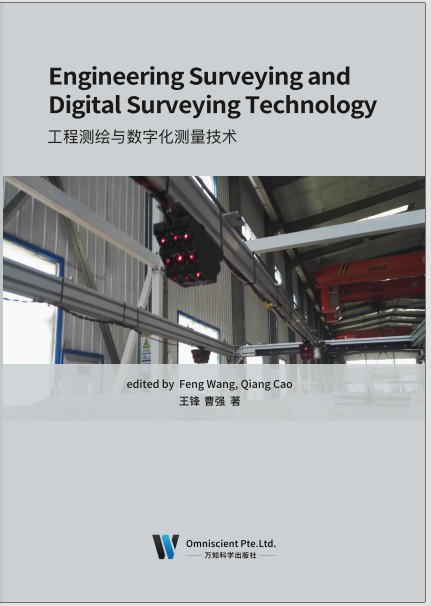
With the development of China’s economic construction and society, as well as the continuous emergence of new science and technology, the demand for surveying and mapping results is increasing. Surveying and mapping projects show the characteristics of large production scale, high investment amount, high technical requirements, complex construction process and so on. In order to ensure that the surveying and mapping project is completed on time and with high quality, it is difficult for the investor to supervise and manage the project. With the continuous improvement of China’s laws and regulations, the deepening of socialization, specialization, standardization and normalization of engineering supervision work, and the continuous improvement of engineering supervision system, more and more investors choose to supervise and manage surveying and mapping projects with the help of social professional forces.
In the process of engineering project construction, the level of engineering measurement is the most direct factor affecting the quality of engineering project construction. High level and high quality of engineering measurement is of great significance to ensure the smooth progress of engineering project construction and improve the quality of engineering construction. In order to effectively improve the technical level of engineering survey, we should strengthen the application of advanced surveying and mapping technology, such as digital surveying and mapping technology, whose technical advantages are very prominent. When applied in engineering survey, it can provide strong technical support for engineering survey, ensure the efficient development of engineering construction projects, and improve the quality of engineering construction. Compared with traditional surveying and mapping technology, digital surveying and mapping technology is more accurate and faster. The accuracy of measurement results is very important for a project, which is related to the quality of a project. Therefore, digital surveying and mapping technology not only improves the efficiency of Surveying and mapping in engineering construction, but also helps to improve the quality of the project.
前 言
随着我国经济建设和社会的发展以及新的科学技术的不断出现,对测绘成果的需求日益增强,测绘项目呈现出生产规模大、投资额度高、技术要求高、施工工序复杂等的特点。为了保证测绘项目按时并高质量地完成,单纯由投资方对项目进行监督管理有一定的难度。而随着我国法律法规的不断完善,工程监理工作社会化、专业化以及规范化、正规化的不断深入,工程监理制度不断完善,投资方越来越多地选择借助社会专业力量对测绘项目进行监督管理。
在工程项目建设过程当中,工程测量水平高低是影响工程项目建设质量最为直接的因素,高水平、高质量的开展工程测量工作,对保证工程项目建设顺利进行,提高工程建设质量意义重大。为了有效提高工程测量技术水平,应当加强先进测绘技术的应用,如数字化测绘技术,其技术优势非常突出,应用于工程测量中,可以为工程测量提供强大的技术支撑, 保证工程建设项目高效开展, 提高工程建设质量。数字化测绘技术相较于传统的测绘技术测量更加精准,测量速度更快。测量结果的准确性对于一项工程来说是十分重要的,关系着一个工程质量的好坏,所以数字化测绘技术不仅仅提高了工程建设中的测绘效率,而且还有利于提高工程质量。
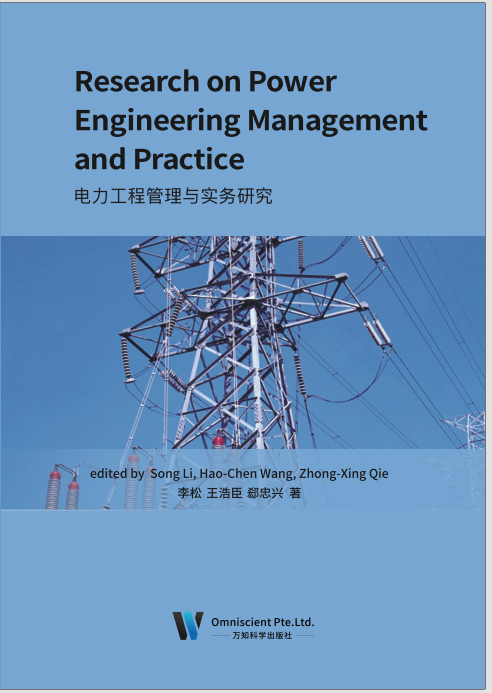
In recent years, with the increasing investment in power infrastructure projects in China, we must implement effective management of complex infrastructure business through information system. The enterprise resource planning (ERP) is an advanced management idea, which focuses on organization model, business process, enterprise rules and regulations, information technology, etc.
Power engineering management is an important part of power enterprise management in China, and plays an indispensable role in the power system. The management of electric power project has an important influence on the economic benefits of project investors and construction enterprises. In recent years, with the implementation of China’s sustainable development strategy, the construction of power engineering projects is gradually increasing. For China’s power grid, under the premise of ensuring the improvement of the power grid system and power supply quality, the reasonable cost control can not only improve China’s economic level, but also help China’s power grid system to be more mature and perfect. At present, the high project cost is largely due to the unscientific and unreasonable management mode of power grid system. Therefore, if we want to control the project cost, we should start from the perspective of management.
前 言
近些年来,伴随着我国在电力基建工程上投资的日趋增加,我们必须要通过信息系统,来对繁杂的基建业务实施有效的管理。而企业资源计划,它是集中了组织模型、业务流程、企业规章制度以及信息技术等,其在管理思想上比较先进。
电力工程管理是我国电力企业管理工作的重要组成部分,在电力系统中发挥不可或缺的作用。电力工程管理工作对工程投资主体的经济利益、施工企业的经济效益有着重要的影响。近年来,随着我国可持续发展战略的实施,电力工程项目的建设也逐渐增多。对于我国电网而言,在保障电网体系的完善和供电质量的前提下,最大限度地合理控制造价成本,这不但能够提升我国的经济水平,而且有助于我国电网体系更加成熟完善。当前,工程造价过高很大程度上是因为电网体系的管理模式不科学不合理,因此若要对工程造价进行控制,那么就应当从管理这一角度来着手解决。
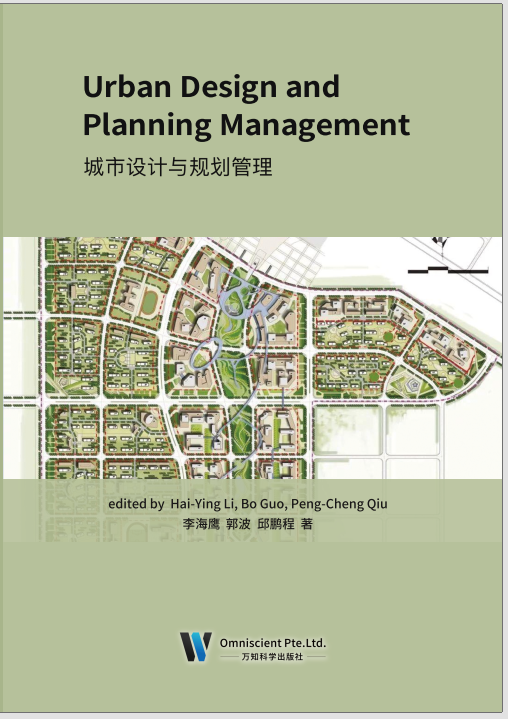
The concept of urban design was introduced into China in the 1980s, which has aroused the general concern of the planning circles. Due to the fact that urban design has not obtained the legal status in our country, and the country has not given a clear positioning for urban design, leading to the current situation that the domestic theoretical circles hold different opinions. In the practice of specific projects, the contents and achievements of urban design are also multifarious, lacking a unified understanding. China’s urban planning system originated in the early days of the founding of the People’s Republic of China has some disadvantages in the process of urban construction after the Economic Reform and Opening up. In recent years, it has also been concerned by the planning circles. The development of urban design work can just solve some of the problems, which is in line with the objective requirements of the new era of urban construction.
This book mainly studies the origin and development process of modern urban planning and urban design; the development status of modern urban design theory and practice at home and abroad; the urban planning system and the current urban planning compilation in China and its shortcomings. On this basis, it discusses the relationship between urban planning and urban design and their respective emphases, and establishes the principles corresponding to each stage of urban planning in China. The book emphasizes the idea that urban design work should run through all stages of urban planning, and makes a preliminary study on the tasks, types and contents of urban design work in each stage.
前 言
城市设计概念从上个世纪 80 年代传入中国,引起了规划界的普遍关注。由于在我国城市设计尚未取得法定地位,国家也没有针对城市设计给出明确的定位,导致了目前国内理论界各执一词的局面,在具体项目实践中, 城市设计的内容与成果也是五花八门,缺乏统一的认识。源于建国初期的我国的城市规划体系在改革开放后城市化进程加快的城市建设过程中也出现了一些弊端, 近年来也为规划界所关注,城市设计工作的展开,正好可以解决其中一些问题,符合新时期城市建设的客观要求。
现代城市规划与城市设计的起源与发展过程;中外现代城市设计理论与实践的发展状况;城市规划体系和我国现行的城市规划编制及其中存在的不足。在此基础上,探讨了城市规划与城市设计的关系及各自的侧重点,建立了城市设计编制与我国现阶段城市规划编制各阶段相对应的原则,强调了城市设计工作应该贯穿于整个城市规划工作各阶段的思想,并对各阶段展开的城市设计工作的任务、类型、内容作了初步的研究。

 邮箱
邮箱 地址
地址